Hirtshals Larvik Ferry
Ferries from Hirtshals to Larvik are operated by 1 ferry companies. Operators include Color Line. There are currently 13 weekly sailings on this ferry route. The journey typically takes around 4 hours 13 minutes. The earliest departure is at 12:45 and the latest is at 22:30. Prices start from as little as £119, depending on the season and vehicle type.
Check the latest availability and book your ferry to Larvik today with AFerry.
Ferry Companies from Hirtshals to Larvik
| Ferry Operator | Average price | Duration | Weekly Sailings | |
|---|---|---|---|---|
 |
Hirtshals to Larvik Ferry Prices (2026 Estimates)
Ferry prices for the Hirtshals to Larvik route are dynamic and vary depending on demand, availability and how far in advance you book.
👉 Typical prices range from around £119 to over £119 depending on the season and vehicle type. Most travelers with a car can expect to pay between £119 and £119 one way, although prices may be higher during peak travel periods.
Cars (including driver): From £119 one way, including peak periods.
💡Travel tip: Booking early and traveling mid-week usually offers the lowest fares. Prices are highest during weekends and holiday periods.
👉 For the latest prices and availability, check live Hirtshals to Larvik ferry fares.
What's the best time to take the Hirtshals - Larvik ferry?
📅 May is the cheapest month to sail Hirtshals to Larvik, averaging £96 per crossing. Prices peak in July at £339, more than 3 times the off-peak rate.
Mid-season months (February, April, and November – December) average around £120–£190.
Monthly average prices (2026)
| Month | Avg. price (GBP) | Season |
|---|---|---|
| January | £216 | Peak Period |
| February | £148 | Mid-Season |
| March | £244 | Peak Period |
| April | £178 | Mid-Season |
| May | £96 | Off-Peak |
| June | £120 | Off-Peak |
| July | £339 | Peak Period |
| August | £119 | Off-Peak |
| September | £320 | Peak Period |
| October | £119 | Off-Peak |
| November | £190 | Mid-Season |
| December | £120 | Mid-Season |
Price trend
Ferry travel from Hirtshals, Denmark, to Larvik, Norway, is a popular and scenic way to cross the North Sea. The journey offers comfortable amenities like lounges, restaurants, and onboard shops. Travellers can enjoy panoramic views of the sea while relaxing during the crossing.
Upon arriving in Larvik, passengers can expect a charming Norwegian coastal town known for its rich history and natural beauty. The port is well-connected to the city centre, making it easy to explore the area, visit local attractions, or continue further into Norway.
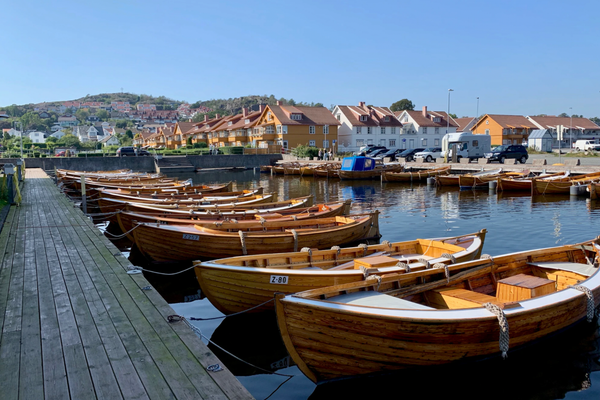
Hirtshals Larvik in pictures
Departure Board for Hirtshals-Larvik
Thursday, October 8, 2026
Latest Ticket Prices for Hirtshals-Larvik
Latest Ticket Prices for Hirtshals-Larvik
Frequently Asked Questions About Hirtshals-Larvik
Frequently Asked Questions About Hirtshals-Larvik
These are the most commonly asked questions. Can't find what you're looking for? No worries, get in touch and we'll be more than happy to assist with your enquiry.
What are the check-in times for Color Line ferries from Hirtshals?
About Hirtshals
The Port of Hirtshals, located in the northern part of Denmark, is a bustling maritime hub that serves both commercial and passenger traffic. It is one of Denmark's busiest ports, known for its strategic position on the North Sea, connecting Denmark to Norway, the UK, and Iceland.
The port is characterised by its large, modern harbour facilities, which accommodate ferries, cargo ships, and fishing vessels. The vibrant fishing industry is a key part of the port's operations, with a bustling fish market and processing plants. Additionally, the port is a critical gateway for freight transport, handling goods ranging from agricultural products to industrial machinery. With its well-equipped docks, advanced logistics infrastructure, and easy access to major shipping routes, Hirtshals plays a vital role in regional and international trade.
About Larvik
The Port of Larvik, situated on Norway’s southern coast, is a key hub for ferry travel, offering regular connections to destinations like Denmark. Known for its modern facilities and efficient services, the port provides a seamless travel experience for both passengers and vehicles.
Located near Larvik’s charming town centre, the port gives travellers easy access to local attractions, including beautiful beaches, cultural sites, and the scenic Norwegian countryside. Its convenient location makes it a popular choice for exploring Norway and Scandinavia.
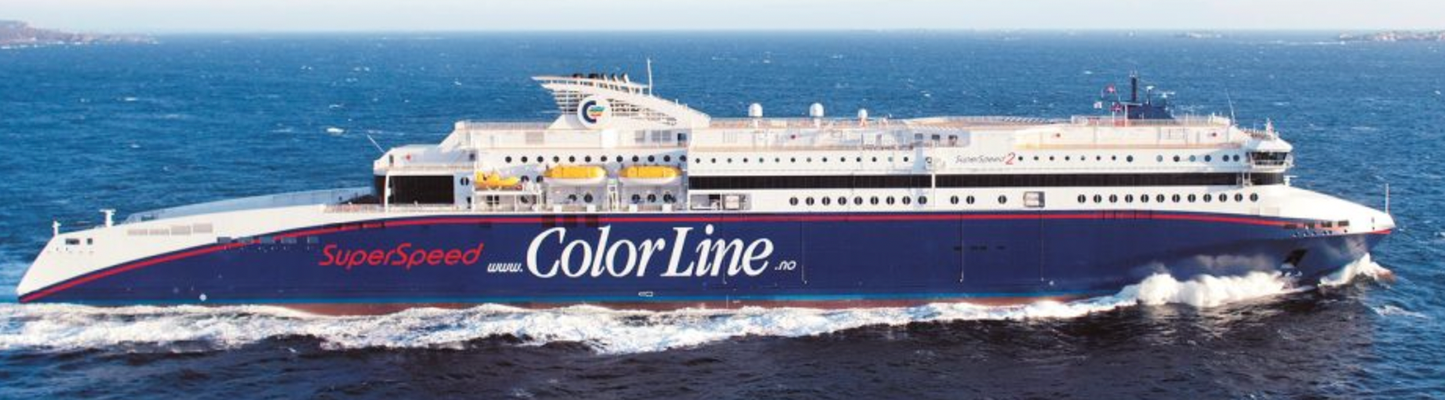
Hirtshals to Larvik Ships
Reviews for Hirtshals-Larvik
Reviews for Hirtshals-Larvik
Everything was perfect! I'd love…
Everything was perfect! I'd love to come back 😊
I had to book the…
I had to book the ferry at short notice and therefore had to pay the full price, which I felt was relatively high for a 4-hour journey. I had also booked a business seat to have some comfort after a long drive, but unfortunately, I discovered a defect in the seat I was assigned. The socket for the reading light in the seat was torn out, and the button to turn it off was broken, so the light stayed on all the time and bothered me.
We, or rather the entire…
We, or rather the entire group crossing at different times (approximately 25 people), feel that you should **clearly state in advance during the booking process that a mobile phone, even when not in use at all, can cost an exorbitant amount of money if you do not switch it off.** In our case, it amounts to approximately **€30 per person**, even though the phone was not used. So, with two people, you can easily end up spending at least **€60**, without being informed of this beforehand and without having done anything with it. I assume that you do not earn anything from this yourselves and that it is mainly the providers who eagerly collect this money. But that is precisely why we believe this needs to be communicated much more clearly in advance. **This is simply not fair to the customer.** Afterwards, I heard from friends who had the same experience and were with three people: **€90 in extra costs**, even though they had not used their phones either. They told us that apparently you can avoid this by putting your phone on airplane mode. That is a painfully large amount of money to simply lose for something you are unaware of and haven't done anything with. Especially since we made the evening/night crossing and were therefore anything but occupied with our mobile phones. Anyway, I am sharing this based on my experience as a former **SLS and Marketing Manager at DHL Express**: in my opinion, this is primarily a matter of **clear and honest communication with the customer**. If you know that a customer can lose €30 per person because of this without actually using their mobile phone, then as far as I am concerned, this should be **clearly stated before the booking**. We advocate for honesty and transparency, and actually expect the same from our service providers. Sincerely, Jos Derekx / Peeters Goedele