Ferry To France - Latest Country Information, Reviews And Ships
Ferries to France
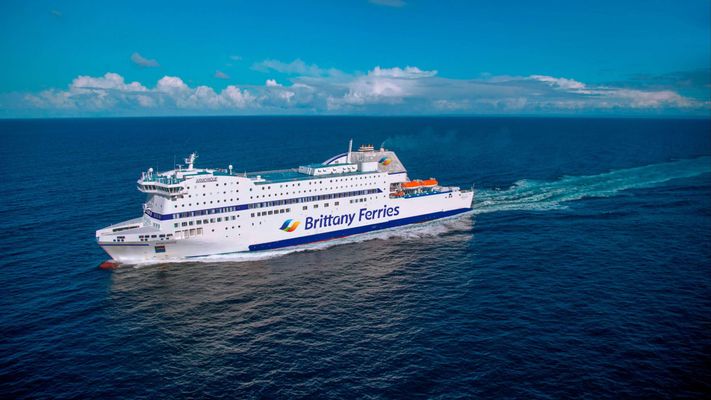
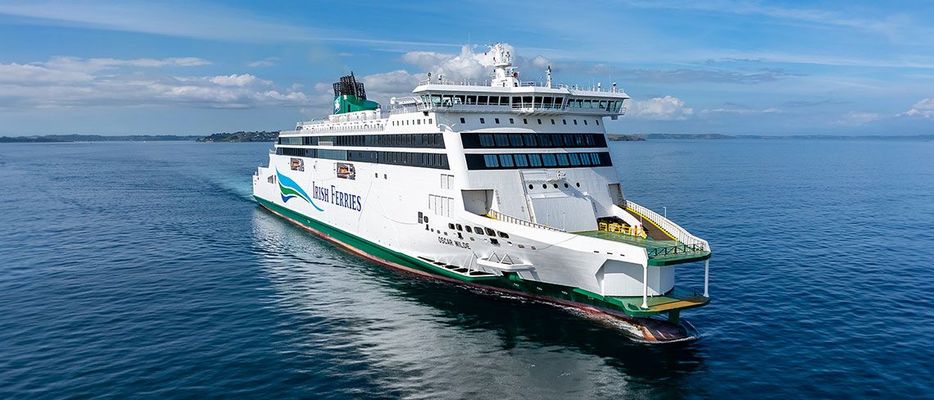
Taking the ferry is a great way to start a holiday to France, offering flexibility, affordable travel options, and the ability to bring your own vehicle. With multiple operators serving routes from England and Ireland, passengers can choose from short Channel crossings or longer overnight journeys. DFDS Seaways, P&O Ferries, Brittany Ferries, and Irish Ferries dominate the market, while Eurotunnel’s LeShuttle provides the fastest alternative for cars, taking only 35 minutes through the Channel Tunnel. On the water, Dover–Calais remains the busiest route, with around 15 daily departures and a journey time of just 90 minutes, while Brittany Ferries connects Portsmouth, Plymouth, and Poole with northern and western French ports. Irish Ferries operates popular links from Ireland, giving passengers easy access to Brittany and Normandy.
France ferry
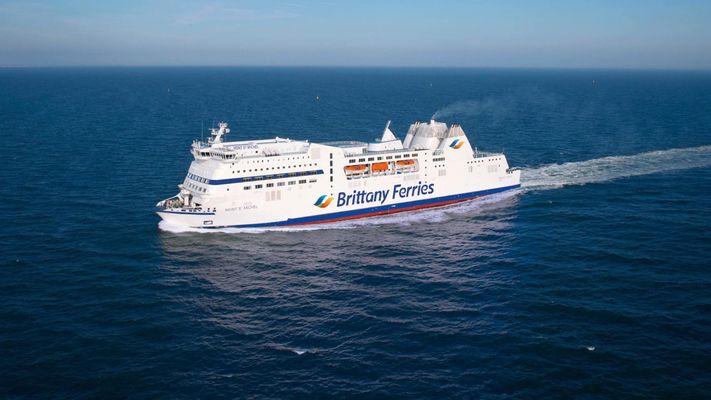
Choosing a France ferry isn’t just about reaching the destination; it’s about enjoying the journey itself. Short crossings such as Dover–Calais or Dover–Dunkirk are quick and efficient, with cafes, lounges, and duty-free shopping onboard. Longer crossings, such as Portsmouth–Le Havre or Cork–Roscoff, provide cabins, restaurants, and comfortable lounges, allowing you to relax as you sail overnight. Brittany Ferries is well known for making the trip part of the holiday experience, with French dining and entertainment onboard. DFDS and P&O provide simple, reliable services for those who want to get across quickly.
How to get the Cheapest ferry?
Travellers looking for the cheapest ferry usually find the best deals on short daytime Channel crossings. Foot-passenger fares can start at just £20–£60 one way, while adding a vehicle increases the cost but still offers great value compared with flying. Booking early and choosing off-peak dates is the key to lower ferry prices. The price Dover route is often the most competitive, with multiple operators vying for customers, meaning frequent promotions and discounts. Overnight routes cost more, but they include the cabin, which can be considered part of your accommodation costs for the journey.
Ferries
The variety of ferries to France makes it possible to tailor your journey. Dover–Calais is ideal for those wanting a quick crossing, while Portsmouth–Le Havre suits travellers who prefer to sleep onboard and wake up ready to drive. Routes from Ireland such as Rosslare–Cherbourg and Cork–Roscoff are especially convenient for Irish holidaymakers, and Brittany Ferries even offers sailings to St Malo, a gateway to Brittany’s beaches, historic towns, and stunning coastline. Whether you’re a foot passenger, cyclist, or driver, there’s a route to suit.
Ferry crossings
Each of the major ferry crossings has its own appeal. Dover–Calais and Dover–Dunkirk are the fastest and most frequent, while Newhaven–Dieppe offers an alternative route into Normandy. Portsmouth–Caen and Portsmouth–Le Havre provide overnight options, with crossings lasting 8–11 hours. From Ireland, Brittany Ferries and other operators link Rosslare and Cork to Cherbourg and Roscoff, giving Irish passengers direct access to western France without needing to drive through the UK. Ports like Calais, Dunkirk, Dieppe, Le Havre, Cherbourg, Roscoff, and St Malo are well connected to French roads, making onward journeys easy.
Ferry routes
The range of ferry routes means there is something for every traveller. Popular UK–France links include Dover–Calais, Dover–Dunkirk, Newhaven–Dieppe, and Portsmouth–Le Havre. From Ireland, Rosslare–Cherbourg and Cork–Roscoff are favourites, while seasonal services also connect to St Malo and Roscoff. These routes allow easy access to Normandy’s D-Day beaches, Brittany’s rugged coastline, the Loire Valley’s châteaux, and further south to Bordeaux and Provence.
Planning your journey involves more than picking a route. Once in France, visitors can enjoy world-famous culture, cuisine, and scenery. Northern France offers historic attractions such as Mont-Saint-Michel, while Brittany is known for its coastlines and Celtic heritage. Central France is home to wine regions and castles, while the south boasts sunny Mediterranean resorts. Cities like Paris, Lyon, Marseille, and Bordeaux add world-class food, museums, and nightlife to the mix.
Drivers should prepare for local rules: carry passports, vehicle registration, insurance, and a valid licence. Motorway limits are generally 130 km/h, rural roads 80–90 km/h, and towns 50 km/h. Reflective vests and a warning triangle are compulsory, and toll roads are common. Plan trip length according to your destination—2–4 days suits a northern short break, while 7–10 days or more is perfect for touring multiple regions.
When it comes to prices, costs vary by operator, route, and season. Short Channel crossings are the most affordable, while overnight crossings cost more but include cabin accommodation. A car ferry to France from Portsmouth or Plymouth may cost more than a short Dover service, but it saves time driving in France and offers a more relaxed experience.
Booking tips are simple: reserve early for the lowest prices, compare operators to find the best deals, and use the AFerry app for booking, ticket management and customer support. Signing up to our newsletter helps secure access to exclusive sales.
In summary, whether you choose the speed of Dover–Calais, the comfort of a Brittany Ferries overnight sailing, or the convenience of a direct Irish link, ferries remain one of the most flexible and enjoyable ways to travel. By booking early, keeping an eye on promotions, and planning your ferry travel carefully, you can make the crossing smoothly and focus on the adventure that awaits in France.

















France Promotions and Cheap Deals




Departure Board for France
Sunday, 1 March 2026
Latest Ticket Prices for France
Latest Ticket Prices for France
France Ports And Ferry Routes
Ajaccio
Bastia
Bonifacio
Calais
Carteret
Cherbourg
Dielette
Dieppe
Dunkirk
Granville
Ile Rousse
Le Havre
Marseille
Nice
Porto Vecchio
Propriano
Roscoff
St Malo
Gallery for France

Frequently Asked Questions About France
Frequently Asked Questions About France
These are the most commonly asked questions. Can't find what you're looking for? No worries, get in touch and we'll be more than happy to assist with your enquiry.
Which ferries go from the UK to France?
Which is the fastest journey to France?
Which ferries go to France?
What is the cheapest ferry crossing to France?
How much is a ferry to France?
Reviews For France
Overall good
Overall good
Really great, you're a good…
Really great, you're a good boat
The services are very good.…
The services are very good. I will recommend 🫡