Hirtshals Ferry Port Information
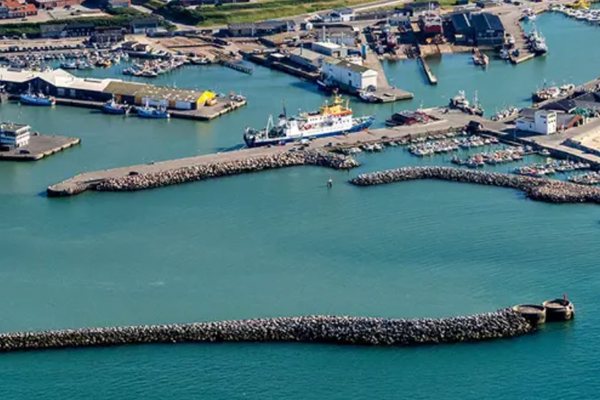
The Port of Hirtshals, located in the northern part of Denmark, is a bustling maritime hub that serves both commercial and passenger traffic. It is one of Denmark's busiest ports, known for its strategic position on the North Sea, connecting Denmark to Norway, the UK, and Iceland.
The port is characterised by its large, modern harbour facilities, which accommodate ferries, cargo ships, and fishing vessels. The vibrant fishing industry is a key part of the port's operations, with a bustling fish market and processing plants. Additionally, the port is a critical gateway for freight transport, handling goods ranging from agricultural products to industrial machinery. With its well-equipped docks, advanced logistics infrastructure, and easy access to major shipping routes, Hirtshals plays a vital role in regional and international trade.
Hirtshals in Pictures
Popular Ferry Companies for Hirtshals


Departure Board for Hirtshals
Friday, September 25, 2026


Frequently Asked Questions About Hirtshals
Frequently Asked Questions About Hirtshals
These are the most commonly asked questions. Can't find what you're looking for? No worries, get in touch and we'll be more than happy to assist with your enquiry.
What are the check-in times for Fjord line from Hirtshals?
What are the check-in times for Color Line ferries from Hirtshals?
Port Terminals For Hirtshals
Fjord Line Terminal
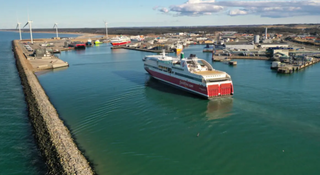
Upon arrival at Hirtshals port, all passengers will check-in and embark in different areas depending on their operator. There will be signs indicating which entrance to use, all passengers travelling with Fjord Line will use the Fjord Line signs leading up to the relevant terminal. There will be signposts indicating check-in areas for each type of passenger. Vehicle passengers will follow the Fjord Line check-in signs, and foot passengers will use the Fjord Line terminal signposts. Vehicle passengers will continue to use the vehicle check-in lanes located conveniently next to the embarkment area and opposite the terminal. Once check-in is complete, passengers will continue to use the lanes and will enter the area for embarkment. Foor passengers will use the terminal building to check-in. The Fjord Line terminal has passenger bridges and walkways for foot passengers to embark directly from the terminal building onto their sailing.
Modes of Transport: Foot passenger, Motorcycle, Van (passenger), Standard Car, Bicycle
Color Line Terminal
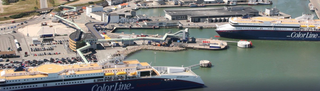
Upon arrival at Hirtshals port, all passengers will check-in and embark in different areas depending on their operator. There will be signs indicating which entrance to use, all passengers travelling with Color Line will use the Color Line signs leading up to the relevant terminal. Vehicle check-in will be completed at the vehicle check-in lanes situated near the entrance of the port. They are well signposted and are conveniently located near the embarkment area for ease. Foot passengers will follow the same directions leading to the port where they will see the Color Line terminal building. Passengers without a car can check in on the second floor at the terminal building. Foor passengers will then be directed to the embarkment area of the terminal using direct walkways and bridges.
Modes of Transport: Foot passenger, Motorcycle, Bicycle, Standard Car, Van (passenger)
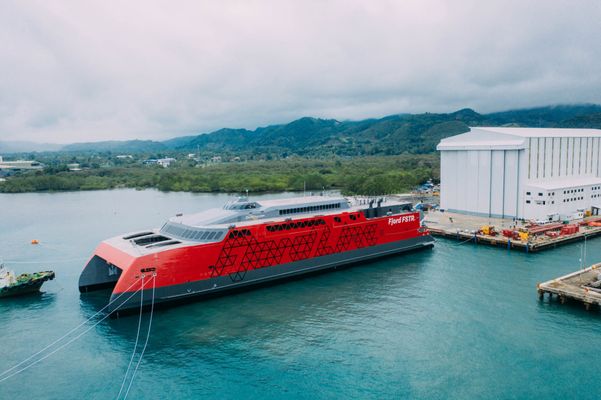
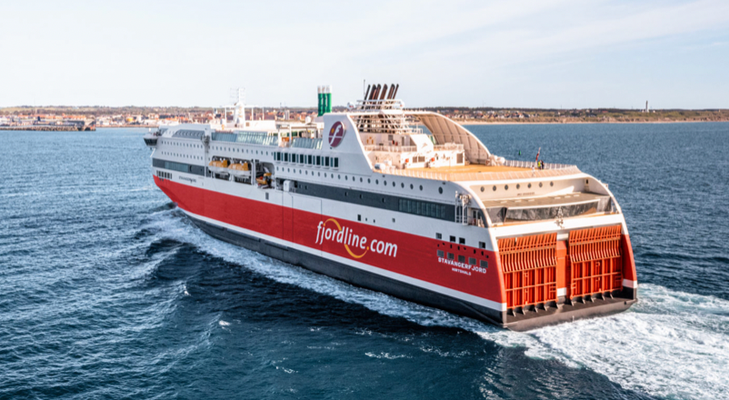
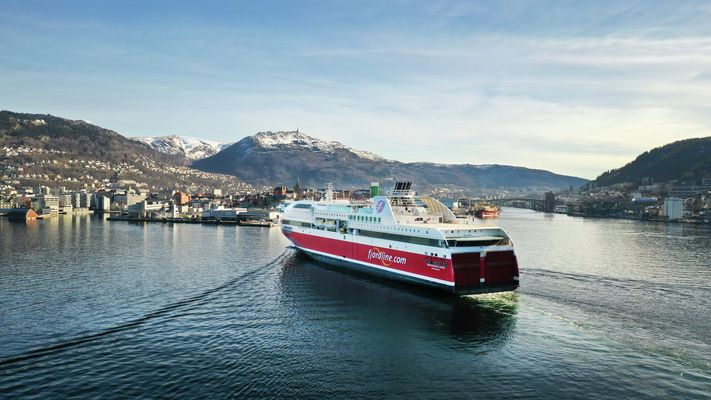
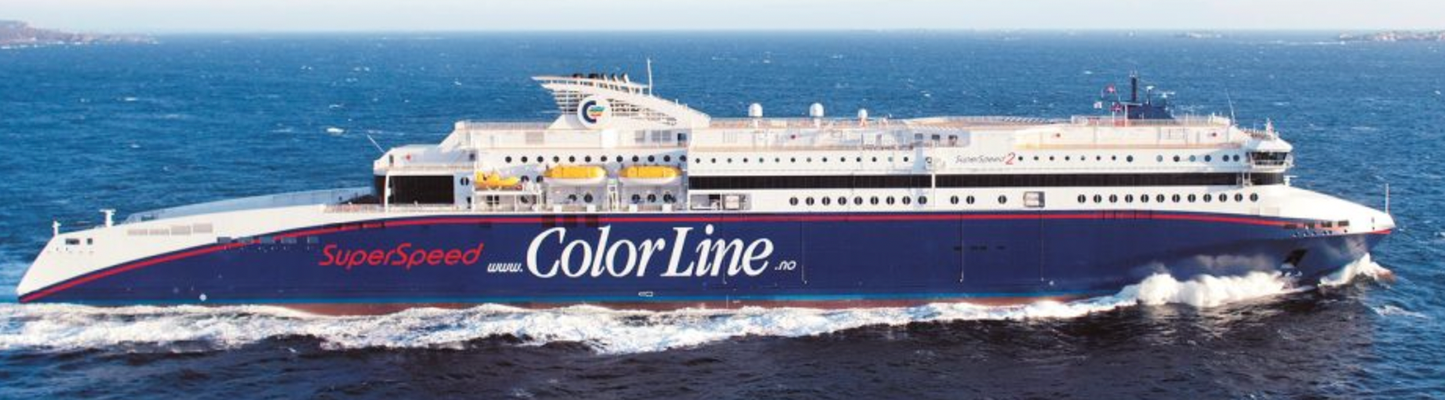
Hirtshals Ships
Reviews for Hirtshals
Reviews for Hirtshals
I thought it was quite…
I thought it was quite good.
Easy to book, perfectly on…
Easy to book, perfectly on time, and a pleasant stay on board.
Everything's great, we're already looking…
Everything's great, we're already looking forward to a hopefully equally smooth journey home. Keep up the good work!