Larvik Ferry Port Information
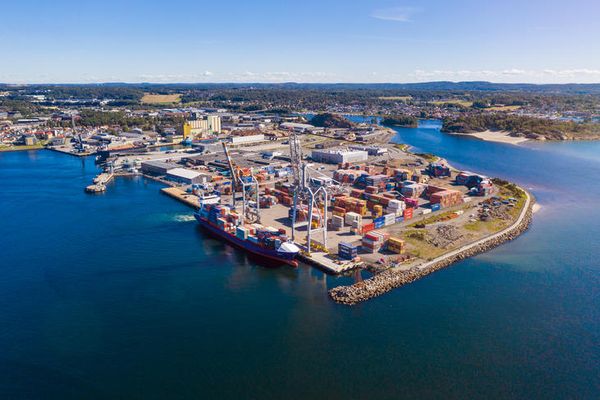
The Port of Larvik, situated on Norway’s southern coast, is a key hub for ferry travel, offering regular connections to destinations like Denmark. Known for its modern facilities and efficient services, the port provides a seamless travel experience for both passengers and vehicles.
Located near Larvik’s charming town centre, the port gives travellers easy access to local attractions, including beautiful beaches, cultural sites, and the scenic Norwegian countryside. Its convenient location makes it a popular choice for exploring Norway and Scandinavia.
Larvik in Pictures
Popular Ferry Companies for Larvik

Departure Board for Larvik
Saturday, September 26, 2026
Routes To And From Larvik


Frequently Asked Questions About Larvik
Frequently Asked Questions About Larvik
These are the most commonly asked questions. Can't find what you're looking for? No worries, get in touch and we'll be more than happy to assist with your enquiry.
What are the check-in times for Color Line ferries from Larvik?
Port Terminals For Larvik
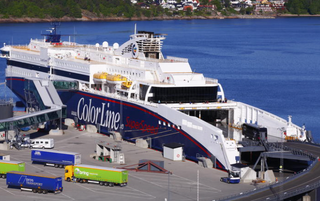
Color Line Terminal (Foot Passenger Access)
Upon arrival at the port entrance, there will be well signposted areas indicating check-in locations and leading to different areas at the port. All passengers will enter at the departures entrance. Foot passengers will continue slightly left of the entrance leading to the Color Line building. Foot Passengers will then check-in within the terminal building and use the convenient walkways to access the embarkment area.
Modes of Transport: Foot passenger, Bicycle
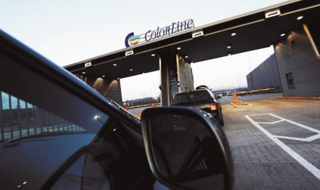
Color Line Terminal (Vehicle Access)
Upon arrival at the port entrance, there will be well signposted areas indicating check-in locations, all passengers will enter at the departures entrance. The direction in which vehicle passengers should take once entered is directly ahead and straight on. Vehicle passengers will continue through the lanes and enter the vehicle check-in lines. Multiple check-in lanes make the process smooth and easy. Motorists will then follow the lanes around to the embarkment area in which all passengers will board.
Modes of Transport: Standard Car, Van (passenger), Motorcycle
Larvik Ships
Reviews for Larvik
Reviews for Larvik
Pleasant and peaceful journey
Pleasant and peaceful journey
Everything was perfect! I'd love…
Everything was perfect! I'd love to come back 😊
I had to book the…
I had to book the ferry at short notice and therefore had to pay the full price, which I felt was relatively high for a 4-hour journey. I had also booked a business seat to have some comfort after a long drive, but unfortunately, I discovered a defect in the seat I was assigned. The socket for the reading light in the seat was torn out, and the button to turn it off was broken, so the light stayed on all the time and bothered me.