Dover Ferry Port Information
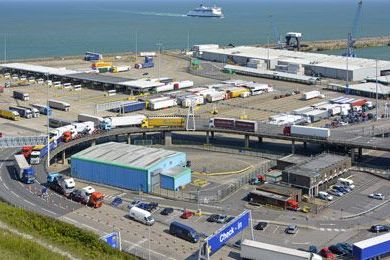
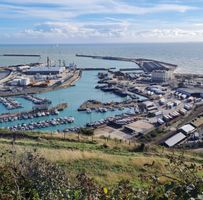
Dover is the most popular port in England and the gateway to France for many British tourists. Dover faces the narrowest part of the channel, and on a clear day you can see France from the ferry port.
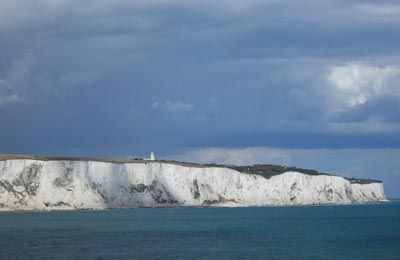
As the shortest channel crossing between England and France, Dover has been a popular port for people who wish to explore mainland Europe. The iconic chalk cliffs have become known as the White Cliffs of Dover and can be seen for miles across the channel. Dover prides itself in its transport services and tourism, and has 3 museums; the main Dover Museum, the Dover Transport Museum and the Roman Painted House.
The port's efficient operations, high traffic capacity, and proximity to major road networks, including the M20 and M2 motorways, further enhance its role as a key transport hub for the UK.
Dover in Pictures
Dover Ferry Companies



Dover Promotions and Cheap Deals


Departure Board for Dover
Sunday 1 March 2026
Latest Ticket Prices for Dover
Latest Ticket Prices for Dover
Routes To And From Dover
Frequently Asked Questions About Dover
Frequently Asked Questions About Dover
These are the most commonly asked questions. Can't find what you're looking for? No worries, get in touch and we'll be more than happy to assist with your enquiry.
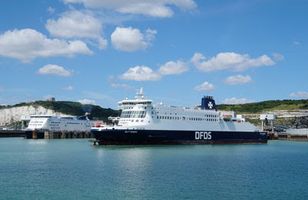
What are the check-in times for DFDS ferries from Dunkirk to Dover and Dover to Dunkirk?
What are the check-in times for DFDS ferries from Calais to Dover and Dover to Calais?
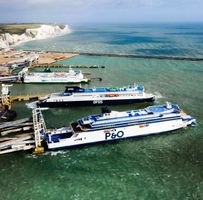
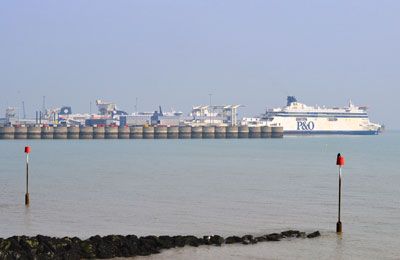
What are the check-in times for P&O Ferries from Dover to Calais and Calais to Dover?
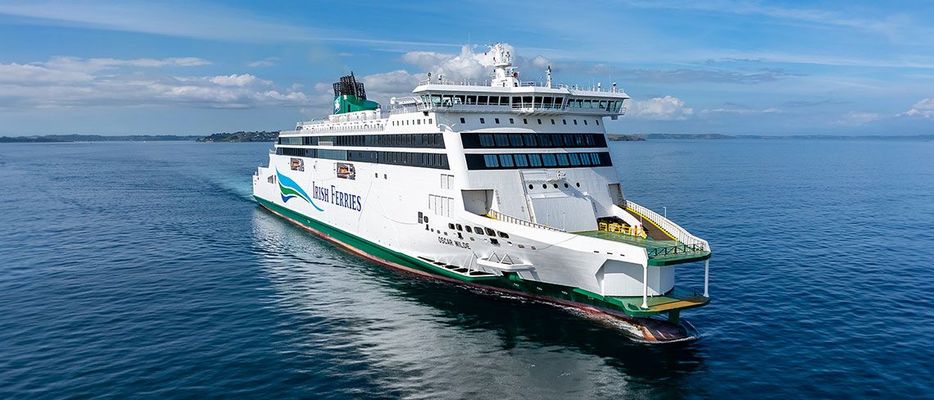
What are the check-in times for Irish Ferries from Dover to Calais and Calais to Dover?
Gallery for Dover
Port Terminals For Dover
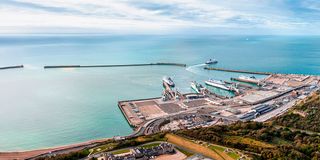
Eastern Docks (Vehicle Access)
Vehicles: Enter the port and follow the signs for check-in. Please ensure you join the correct vehicle lane for the ferry operator you are travelling with.
Modes of Transport: Standard Car, Van (passenger), Motorcycle, Bicycle
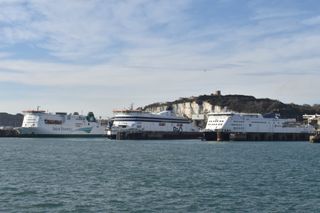
Eastern Docks Ferry Terminal (Foot Passenger Access)
Foot passengers: Proceed to the passenger terminal building to complete check-in formalities. After check-in, foot passengers are typically directed and transferred to the ship as advised by the check-in staff.
Modes of Transport: Foot passenger, Bicycle
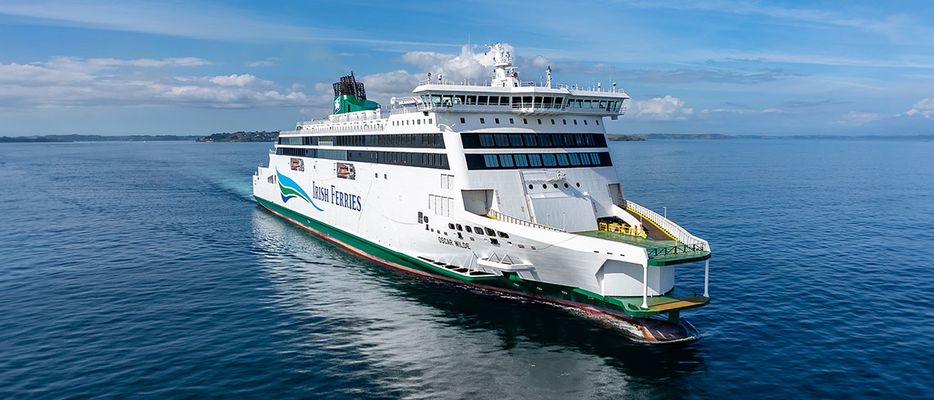
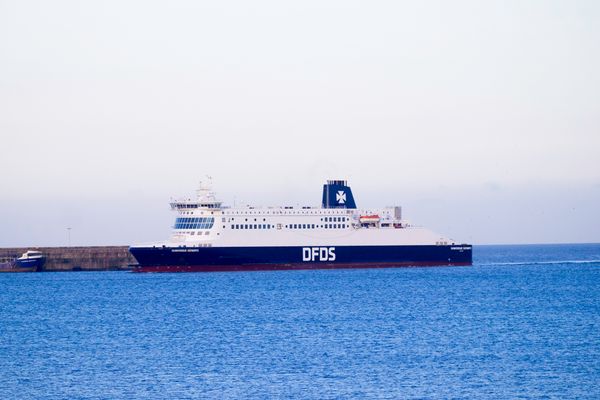
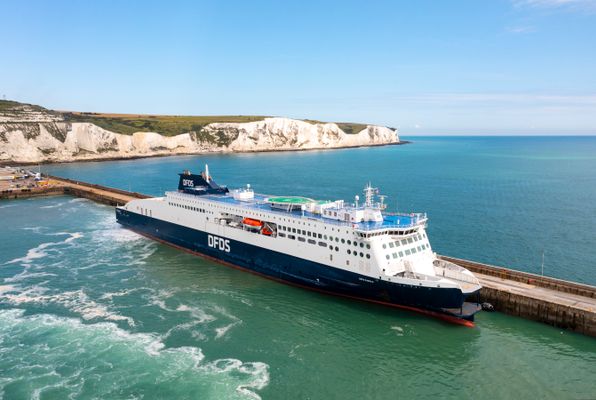
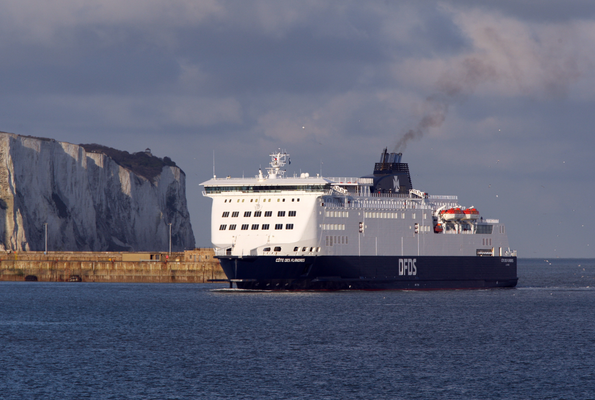
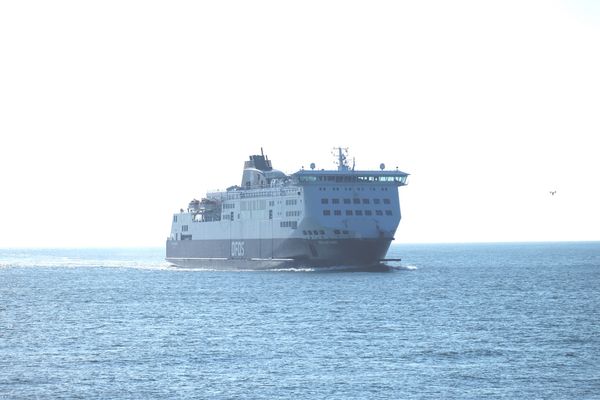
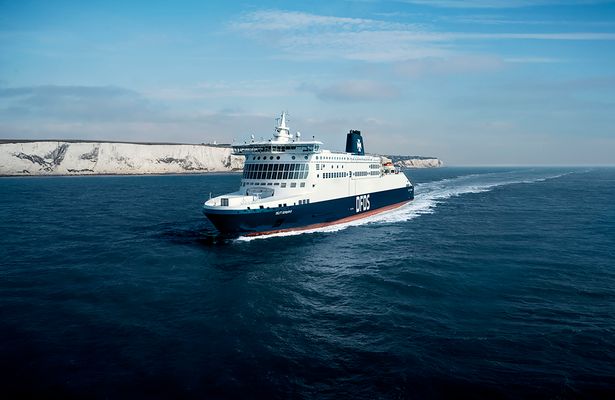
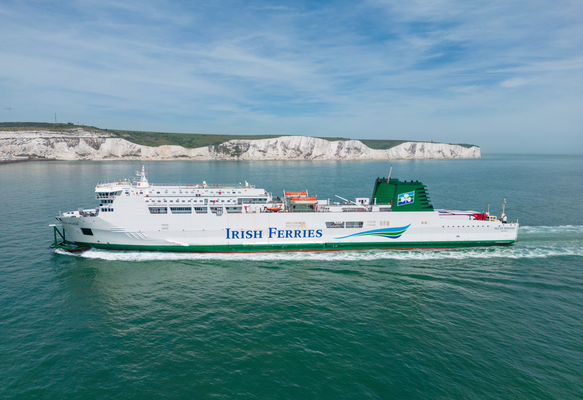
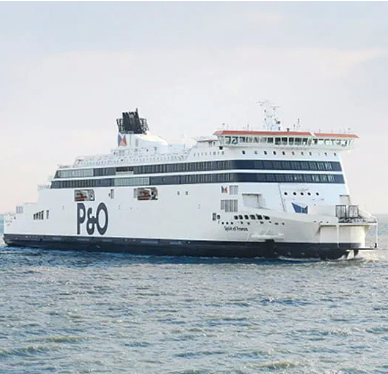
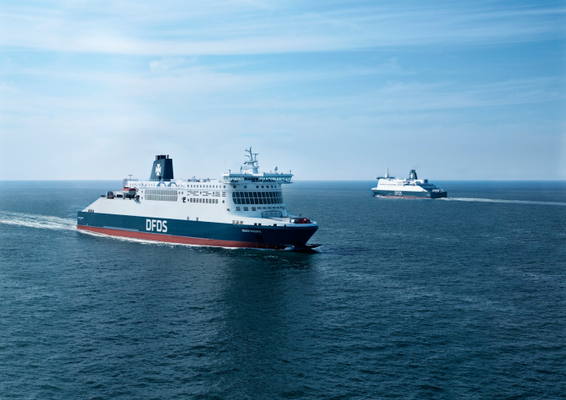
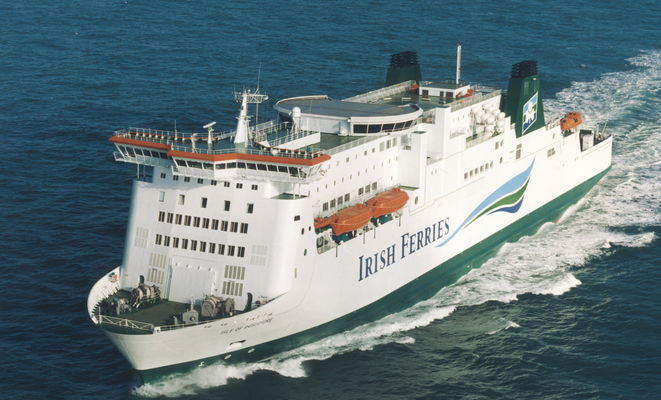
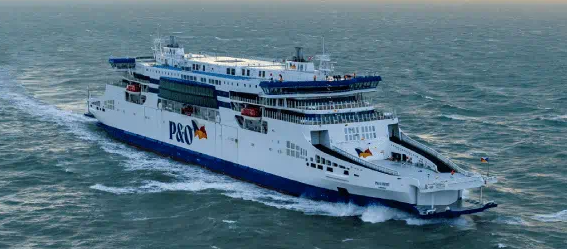
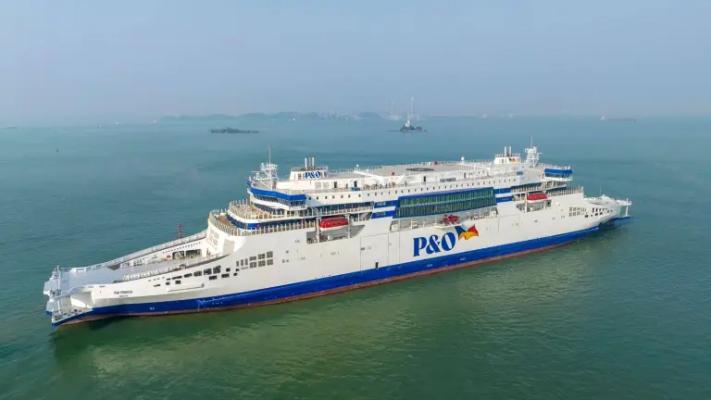
Dover Ships
Reviews For Dover
Very okay.
Very okay.
Not much to say -…
Not much to say - DFDS does what it says on the tin. On board prices could be lower, but I don't think they are as bad as other "captive market" pricing. Overall, a very stress-free return trip. I particularly like the flexibility to travel with the previous or next crossing included in the price.
Overall good
Overall good