Cork Ferry Port Information
The Port of Cork, one of Ireland's major and historic ports, is a vital gateway for international trade and passenger travel in the North Atlantic. Strategically situated on the south coast, it boasts extensive cargo facilities, a busy cruise terminal, and a range of maritime services. Steeped in history, the port seamlessly combines its maritime heritage with modern infrastructure, linking Ireland to key global trade routes and offering an essential connection to Europe and beyond.
Cork in Pictures

Popular Ferry Companies for Cork

Departure Board for Cork
Saturday, April 11, 2026
Routes To And From Cork

Frequently Asked Questions About Cork
Frequently Asked Questions About Cork
These are the most commonly asked questions. Can't find what you're looking for? No worries, get in touch and we'll be more than happy to assist with your enquiry.
What are the check-in times for Brittany Ferries from Cork?
Port Terminals For Cork
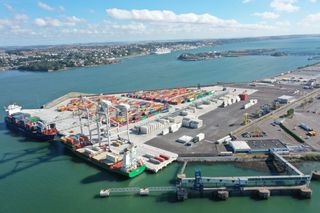
Ringaskiddy Terminal
The Port of Cork terminal is easily accessible for both vehicle and foot passengers, providing a straightforward start to your journey. For Vehicle Passengers: If you’re travelling by car, simply follow the signs for the Port of Cork as you approach the city. The terminal is well-marked, with clear directions from major routes, including the N40 Cork Ring Road. Ample parking areas and designated lanes make it easy to check in and queue up for boarding. For Foot Passengers: Foot passengers can reach the Port of Cork terminal by public transportation, taxi, or a short walk from nearby areas. Cork’s main bus and train stations are conveniently close to the port, with local buses and taxis readily available to bring you directly to the terminal. Once there, you’ll find clear instructions for check-in and comfortable waiting areas before boarding.
Modes of Transport: Foot passenger, Bicycle, Motorcycle, Standard Car, Van (passenger)
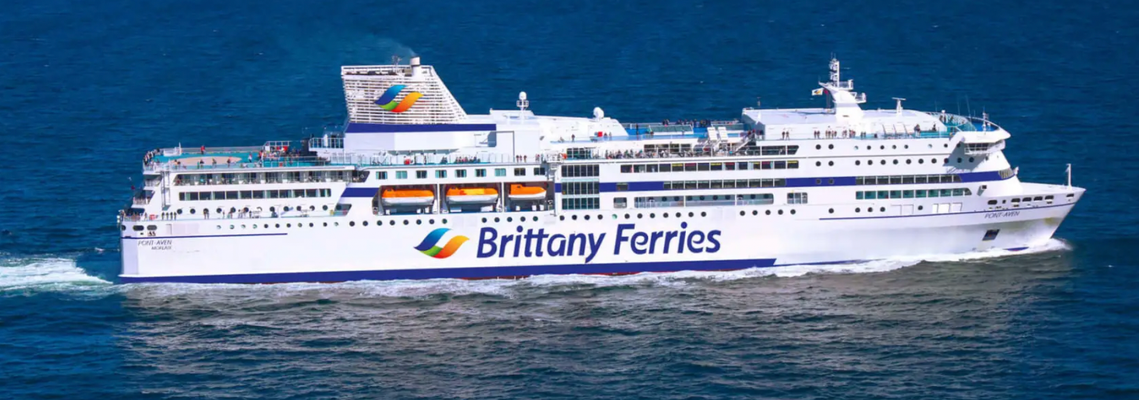
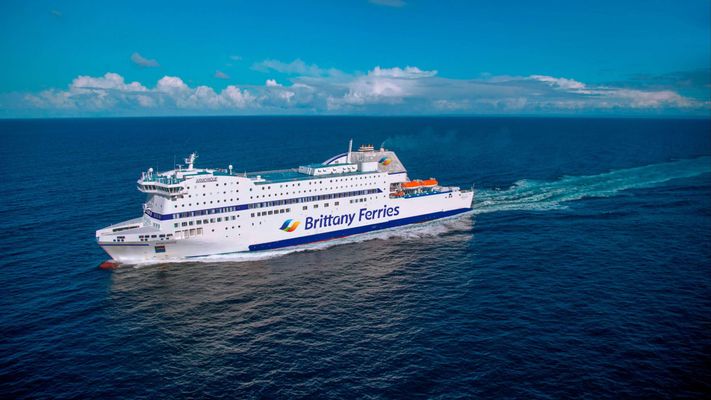
Cork Ships
Reviews for Cork
Reviews for Cork
There are currently no reviews for Cork