Dover Dunkirk Ferry
Ferries from Dover to Dunkirk are operated by 1 ferry companies. Operators include DFDS. There are currently 28 weekly sailings on this ferry route. The journey typically takes around 2 hours. The earliest departure is at 02:00 and the latest is at 23:59.
Check the latest availability and book your ferry to Dunkirk today with AFerry.
Ferry Companies from Dover to Dunkirk
| Ferry Operator | Average price | Duration | Weekly Sailings |
|---|---|---|---|
 |
The Dover to Dunkirk route is a vital maritime link between the UK and mainland Europe, renowned for its convenience and scenic views. Ferries operate regularly, providing passengers with a comfortable journey across the English Channel, typically taking around two hours.
Travellers can enjoy onboard amenities such as cafes, shops, and panoramic decks, making the crossing not just a transit but an enjoyable experience.
Historically, this route has been significant since the medieval period, evolving into a critical passage during events like World War II, notably the Dunkirk evacuation in 1940. This operation saw the rescue of hundreds of thousands of Allied troops from Dunkirk's beaches, marking a pivotal moment in the war.
Today, the Dover to Dunkirk route remains essential for trade and tourism, connecting cultures and facilitating the movement of people and goods between the UK and France.
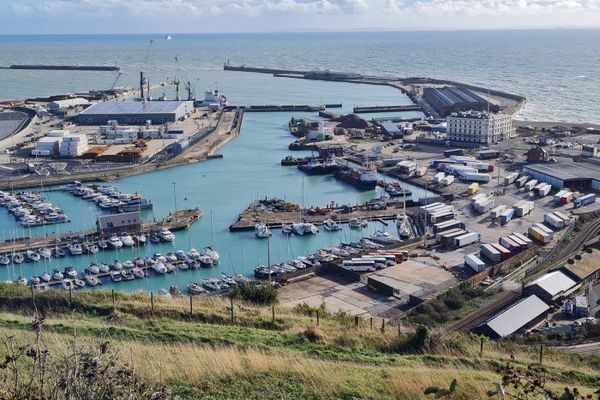
Dover Dunkirk in pictures
Dover-Dunkirk Promotions and Cheap Deals

Frequently Asked Questions About Dover-Dunkirk
Frequently Asked Questions About Dover-Dunkirk
These are the most commonly asked questions. Can't find what you're looking for? No worries, get in touch and we'll be more than happy to assist with your enquiry.
What are the check-in times for DFDS ferries from Dunkirk to Dover and Dover to Dunkirk?
About Dover
Dover is the most popular port in England and the gateway to France for many British tourists. Dover faces the narrowest part of the channel, and on a clear day you can see France from the ferry port.
As the shortest channel crossing between England and France, Dover has been a popular port for people who wish to explore mainland Europe. The iconic chalk cliffs have become known as the White Cliffs of Dover and can be seen for miles across the channel. Dover prides itself in its transport services and tourism, and has 3 museums; the main Dover Museum, the Dover Transport Museum and the Roman Painted House.
The port's efficient operations, high traffic capacity, and proximity to major road networks, including the M20 and M2 motorways, further enhance its role as a key transport hub for the UK.
About Dunkirk
The Port of Dunkirk, one of France's major seaports, serves as a vital gateway for trade and transport in the North Sea region. Strategically positioned close to major shipping routes, it boasts extensive cargo handling facilities and a well-equipped ferry terminal, facilitating both freight and passenger travel.
With a rich maritime heritage, the port seamlessly integrates historical significance with cutting-edge technology, playing a crucial role in connecting Europe to global markets while supporting regional economic growth.
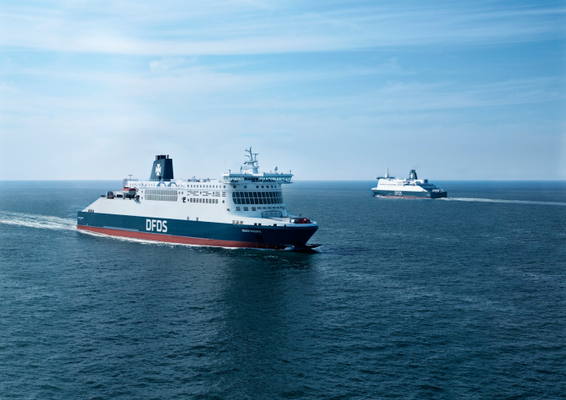
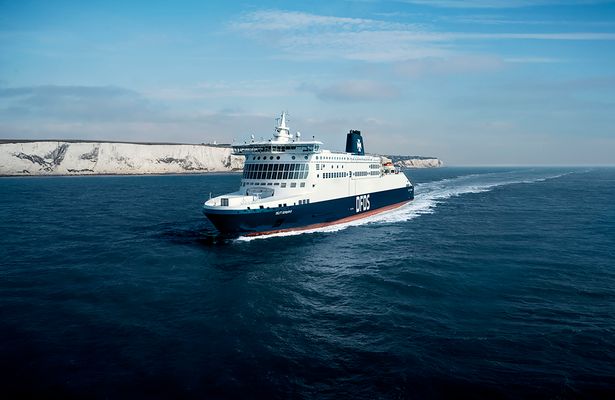
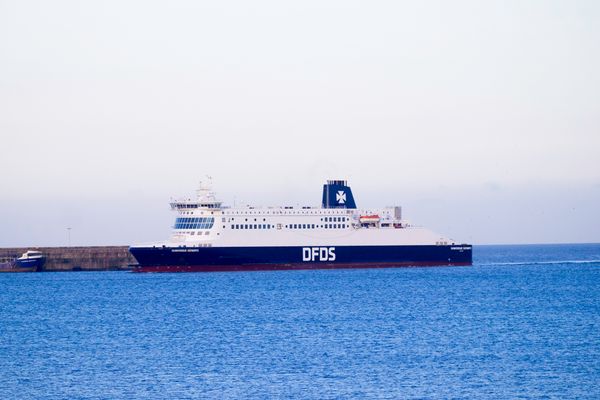
Dover to Dunkirk Ships
Reviews for Dover-Dunkirk
Reviews for Dover-Dunkirk
Still expensive, but great service…
Still expensive, but great service thanks
We use the Dover to…
We use the Dover to Dunkirk ferry at least four times a year to visit family. Most times it’s on time and loading/unloading is smooth. Passport control and security checks at Dunkirk were painfully slow on our latest trip. I would use the onboard catering more if there was a broader healthy snacks offering.
Overall a good service and value for money.
Ferry was an hour late…
Ferry was an hour late leaving Dover due to somehow loading a wrong coach, apart from that great service asual.