Rostock Ferry Port Information
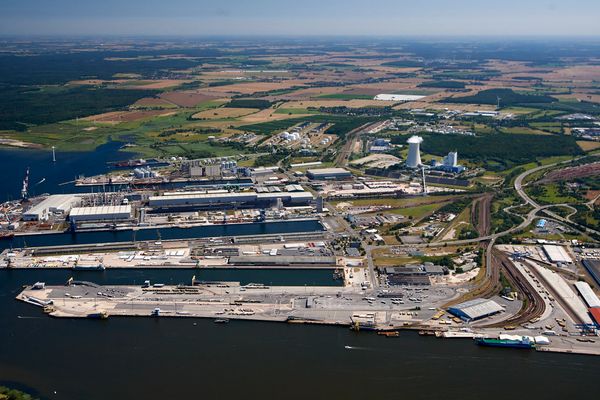
The Port of Rostock is one of Germany’s largest and most significant seaports, located on the Baltic Sea. It is well-known for its ferry services connecting Rostock to various destinations in Scandinavia and the Baltic region, including frequent routes to Gedser (Denmark) and Trelleborg (Sweden). With modern facilities, the port features five berths and offers services for passenger ferries and RoRo (Roll-on/Roll-off) traffic, allowing for seamless intermodal transport.
Rostock Port is easily accessible, with direct road connections to the German motorway system, including the A19 and A20, ensuring smooth access for travellers and cargo alike. The port is a hub for ferry services, providing regular connections to Denmark, Sweden, and Lithuania, and plays an integral role in facilitating trade and tourism across the Baltic region
Rostock in Pictures
Popular Ferry Companies for Rostock



Departure Board for Rostock
Saturday, April 11, 2026
Latest Ticket Prices for Rostock
Latest Ticket Prices for Rostock
Routes To And From Rostock


Frequently Asked Questions About Rostock
Frequently Asked Questions About Rostock
These are the most commonly asked questions. Can't find what you're looking for? No worries, get in touch and we'll be more than happy to assist with your enquiry.
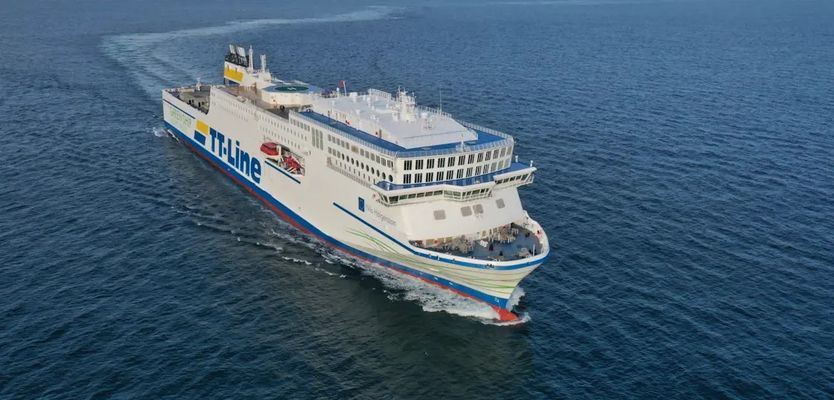
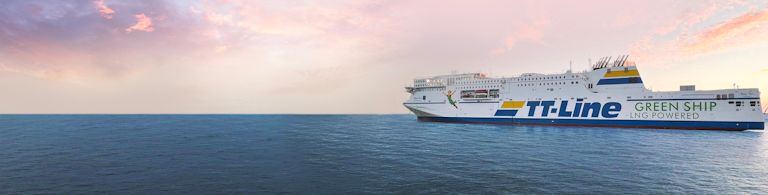
What are the check-in times for TT-Line ferries from Rostock to Trelleborg?
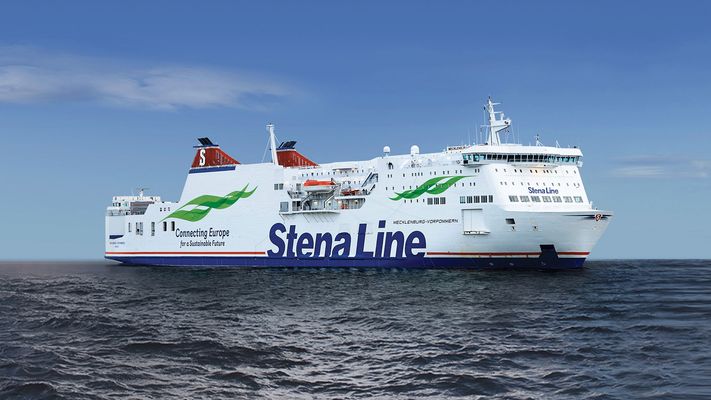
What are the check-in times for Stena Line ferries from Rostock to Trelleborg?
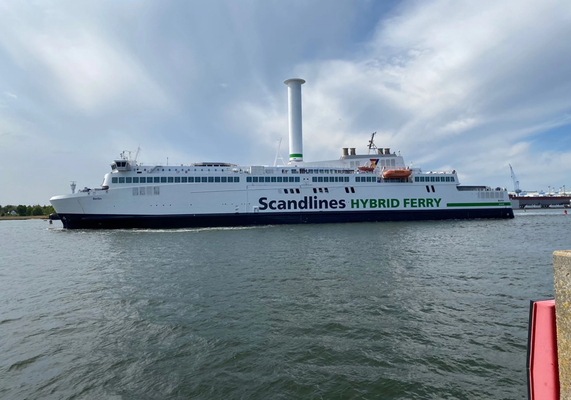
What are the check-in times for Scandilines ferries from Rostock to Gedser?
Port Terminals For Rostock
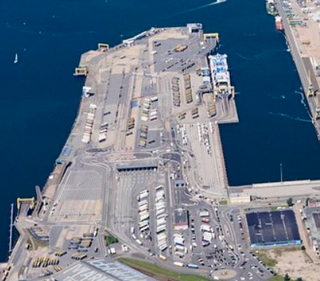
Fährcenter Terminal
Foot passengers can take the Deutsche Bahn AG to Rostock main station. Then, they can change to tram 2 or 3, go to Rostock-Dierkower Kreuz, and continue by bus. Take the bus line 19 or 49 to Rostock-Seehafen Fähre.
Modes of Transport: Foot passenger
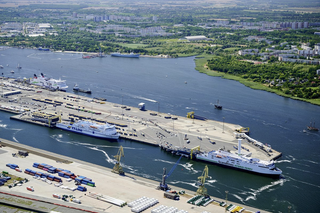
Ferry Terminal
Vehicle passengers coming from the direction of Hamburg, Lübeck, Wismar: take the A20 to the Rostock interchange. Continue on the A19 towards Rostock-Überseehafen. Vehicle passengers coming from Berlin: follow the A24 to the Wittstock/Dosse interchange. Continue on the A19 towards Rostock-Überseehafen.
Modes of Transport: Bicycle, Motorcycle, Standard Car, Van (passenger)
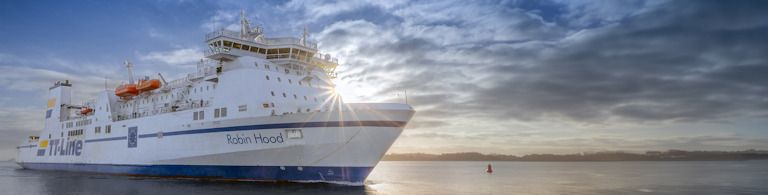
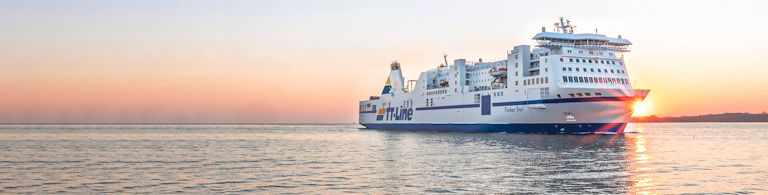
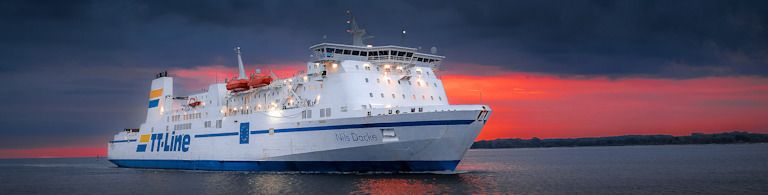
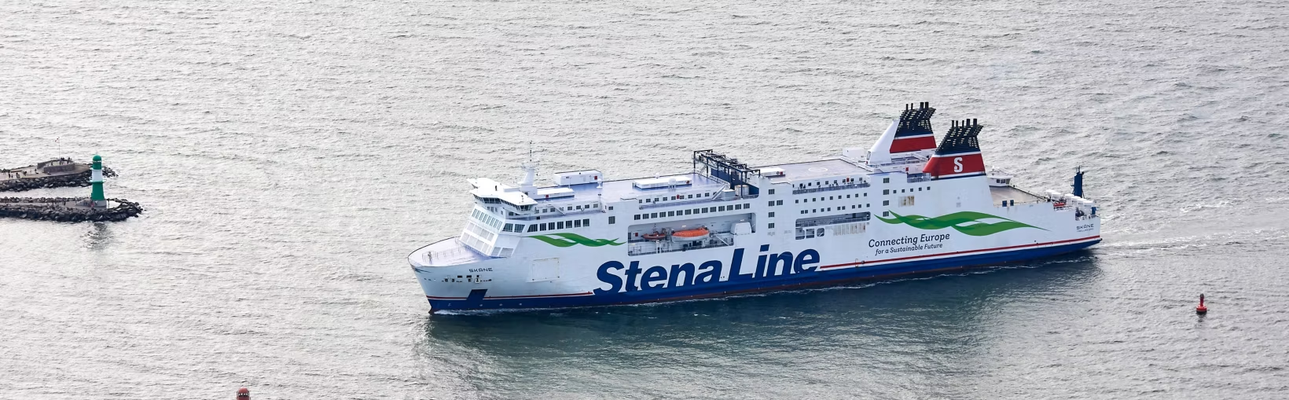
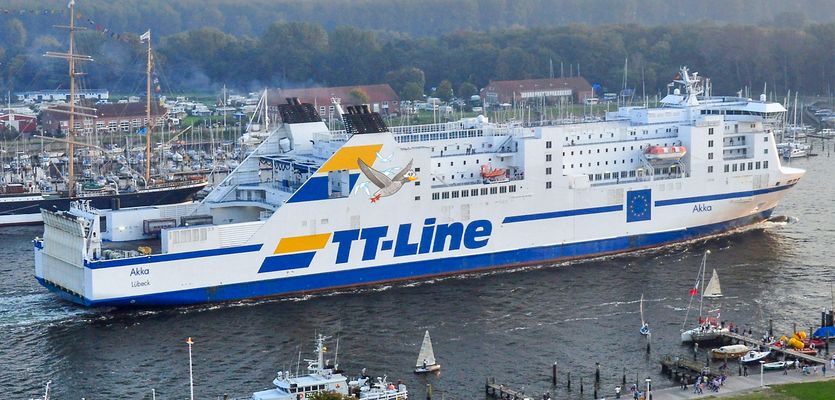
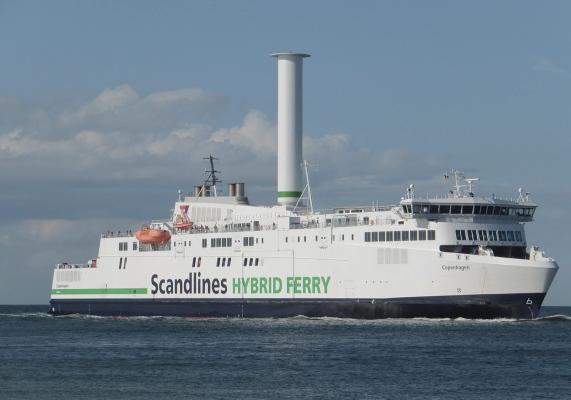
Rostock Ships


Reviews for Rostock
Reviews for Rostock
Overall, we were satisfied with…
Overall, we were satisfied with the crossing. However, the food was sometimes quite expensive, and there was a lack of vegan options.
Very nice travel
Very nice travel
So far, so good. We…
So far, so good. We were delayed because of a medical emergency and received a free drink as compensation, which was very nice.