P&O Ferries - Latest Ferry Prices, Reviews And Ships
P&O Ferries is a British-based company that operates ferry services across various European routes, primarily in the North Sea, Irish Sea, and English Channel. Established in the early 19th century, it has become one of the leading providers of ferry transportation between the UK and destinations such as France, Belgium, the Netherlands, and Ireland. P&O Ferries offers both passenger and freight services, catering to tourists, commuters, and the logistics industry.
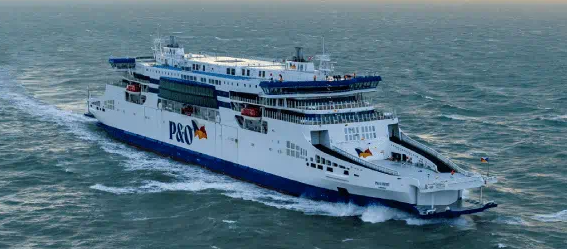
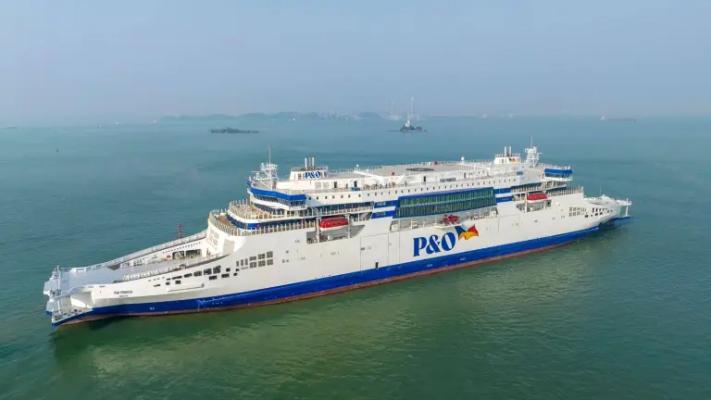
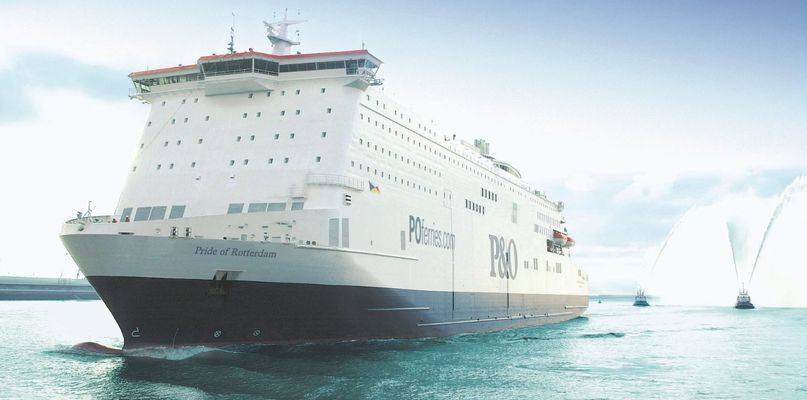
The company operates a fleet of modern vessels, providing amenities like restaurants, shops, and entertainment options onboard. Its routes are popular for cross-Channel journeys, particularly between Dover and Calais, one of its busiest routes. In addition to passenger services, P&O Ferries plays a crucial role in trade and transportation between the UK and mainland Europe.
In recent years, the company has faced challenges related to competition, labour disputes, and the impact of Brexit on cross-border travel.

| Nationality | British |
|---|---|
| Headquarters | Dover |
| Ownership Type | Private limited company |
| Parent Company | DP World |
| Foundation Date | 1837 |
P&O Ferries Promotions and Cheap Deals


Departure Board for P&O Ferries
Saturday, April 11, 2026
Latest Ticket Prices for P&O Ferries
Latest Ticket Prices for P&O Ferries
Frequently Asked Questions About P&O Ferries
Frequently Asked Questions About P&O Ferries
These are the most commonly asked questions. Can't find what you're looking for? No worries, get in touch and we'll be more than happy to assist with your enquiry.
What are the check-in times for P&O Ferries from Cairnryan to Larne and Larne to Cairnryan?
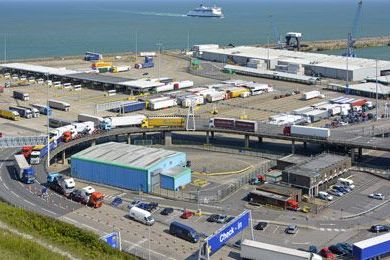
What are the check-in times for P&O Ferries from Dover to Calais and Calais to Dover?
What are the check-in times for P&O Ferries from Hull to Rotterdam and Rotterdam to Hull?
P&O Ferries History
The Peninsular and Oriental Steam Navigation Company (that would later become P&O Ferries) was founded in 1837. Initially, it was focused on shipping goods and passengers between Britain and the Iberian Peninsula.
In the mid-19th century, P&O became one of the world’s largest shipping companies, earning a reputation for its luxury passenger liners, which served routes across Europe, Asia, and Africa. By the early 20th century, P&O was well-established in both shipping and cruise travel.
The origins of P&O Ferries as a distinct entity began in the 1960s, when the company started ferry services to meet the growing demand for cross-channel travel between the UK and mainland Europe. This service became increasingly important with the rise of car ownership and tourism in post-war Europe. During the 1960s and 70s, P&O Ferries developed routes from the UK to France, Belgium, and the Netherlands, becoming a key player in the ferry industry.
Throughout the late 20th century, P&O expanded its ferry operations, acquiring several competitors to strengthen its position. One notable acquisition was the merger with Townsend Thoresen in 1987, which consolidated P&O’s dominance in cross-channel ferry services.
In the 1990s and 2000s, P&O Ferries continued to operate routes between the UK and mainland Europe, offering both passenger and freight services. The rise of budget airlines and the opening of the Channel Tunnel in 1994 increased competition, but P&O Ferries remained a popular choice for many travellers and logistics firms due to its convenience and robust service offerings.
In 2006, P&O Ferries sold its ferry division to DP World, a global logistics company based in Dubai, which operates it today as a subsidiary. While the company faced financial pressures and challenges, such as rising fuel costs and the economic impacts of Brexit, P&O Ferries has continued to adapt.
To this day, P&O Ferries remains a significant player in European maritime transport, facilitating essential passenger and cargo services across the English Channel and other routes.
P&O Ferries Sustainability
P&O Ferries is committed to sustainability by introducing initiatives to lower its environmental footprint. It has invested in hybrid-powered vessels and optimised fuel efficiency across its fleet to reduce emissions. The company uses shore power technology at key ports, allowing ships to turn off engines while docked, cutting air pollution. P&O Ferries also focuses on waste reduction, with enhanced recycling programs and efforts to eliminate single-use plastics. These measures are part of the company’s broader strategy to meet global environmental targets and support greener maritime operations.
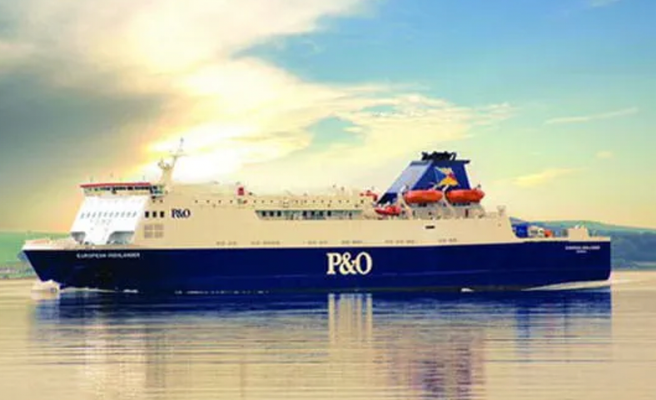
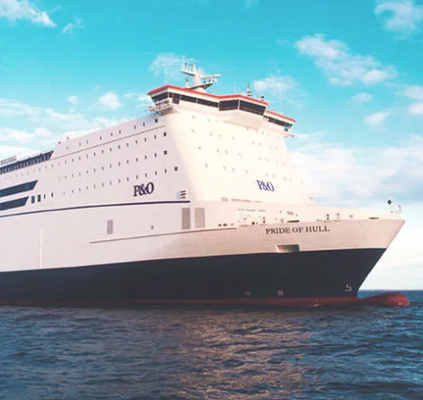
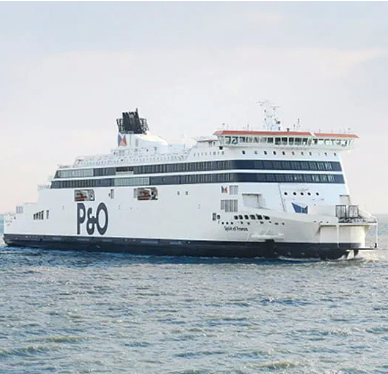
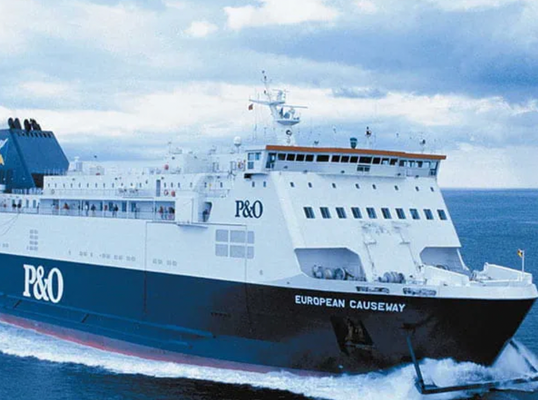
P&O Ferries Ships
P&O Ferries Routes
Routes to France
Routes to Netherlands, Holland
Routes to United Kingdom, England
Reviews for P&O Ferries
Reviews for P&O Ferries
Everything's fine.
Everything's fine.
Top!!!!!!!!!
Top!!!!!!!!!
We were 20 minutes late…
We were 20 minutes late and they put us on the next one without extra charge, well cleaned and nice seats. Would definitely recommend