Scandlines - Latest Ferry Prices, Reviews And Ships
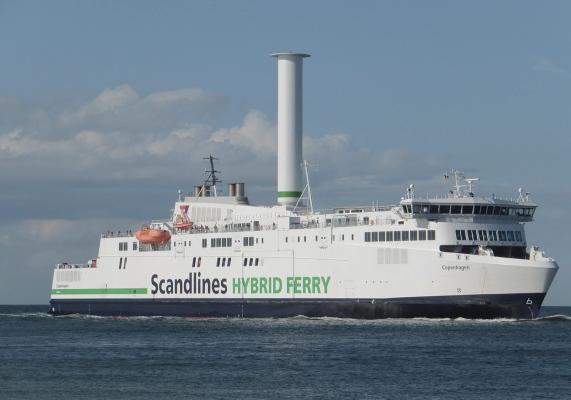
Scandlines is a key operator in ferry transportation, primarily serving routes across the Baltic Sea, with a particular focus on the Puttgarden-Rødby and Rostock-Gedser crossings. The company was founded from a long-standing collaboration between Denmark and Germany, and today it stands as a major provider of both passenger and freight ferry services in the region. Its modern fleet includes hybrid-powered ferries, reflecting Scandlines' commitment to sustainability and reducing carbon emissions.
The company caters to a wide range of travellers, from tourists seeking to explore the scenic Baltic region to businesses requiring freight services for cross-border logistics. The routes Scandlines operates are vital for leisure and trade, connecting Germany and Denmark and facilitating significant economic activity between the two countries.
As it continues to adapt to modern transportation needs, Scandlines is committed to innovation, including its ongoing efforts to further reduce its environmental footprint and invest in cleaner technologies

| Nationality | Danish-German |
|---|---|
| Headquarters | Copenhagen |
| Ownership Type | Private limited company |
| Parent Company | Scandilines |
| Foundation Date | 1998 |
Departure Board for Scandlines
Friday, 9 October 2026
Frequently Asked Questions About Scandlines
Frequently Asked Questions About Scandlines
These are the most commonly asked questions. Can't find what you're looking for? No worries, get in touch and we'll be more than happy to assist with your enquiry.
What are the check-in times for Scandilines ferries from Puttgarden to Rodby and Rodby to Puttgarden?
What are the check-in times for Scandilines ferries from Gedser to Rostock?
What are the check-in times for Scandilines ferries from Rostock to Gedser?
Scandlines History
Scandlines began in 1903 with the first rail ferry service between Warnemünde, Germany, and Gedser, Denmark, establishing a key cross-Baltic Sea transportation link. Expansion continued throughout the mid-20th century, notably with the launch of the Beeline ferry route between Puttgarden, Germany, and Rødby, Denmark, in 1963. This successful route became essential for passenger and freight transport, strengthening economic and social ties between Germany and Denmark.
Following German reunification, Scandlines emerged from a merger of German and Danish ferry services, initially known as DFO (Deutsche Fährgesellschaft Ostsee), before adopting the name Scandlines in 1997. Privatised by 2007, the company focused on modernising its fleet and embracing sustainable technologies, including hybrid ferries introduced in the 2010s. These innovations demonstrated Scandlines’ commitment to environmental responsibility and enhancing efficiency in regional ferry operations.
Scandlines Sustainability
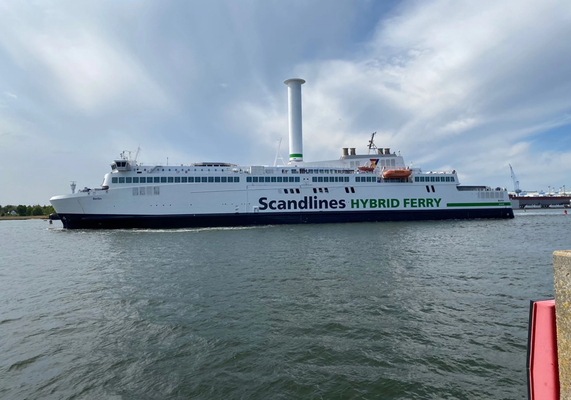
Scandlines is committed to sustainability and is a leader in adopting eco-friendly technologies within the ferry industry. The company has made significant strides in reducing its environmental footprint, particularly with its introduction of hybrid-powered ferries, which help lower CO2 emissions. In addition, Scandlines has implemented rotor sails on some of its vessels to further reduce fuel consumption and emissions. The company continues to explore innovative solutions, such as improved propulsion systems and other green technologies, to achieve its goal of zero-emission ferries
Scandlines Ships
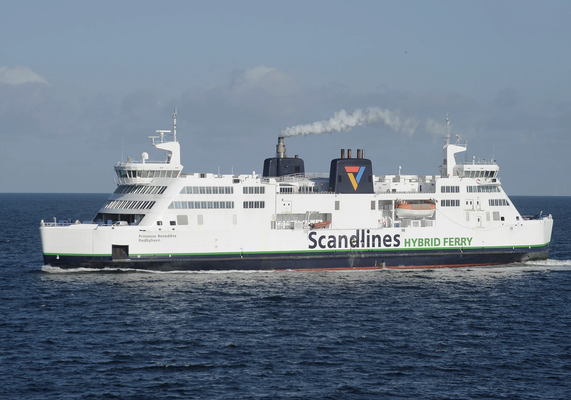
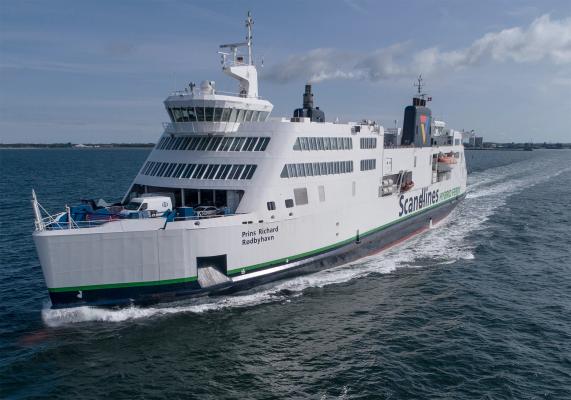
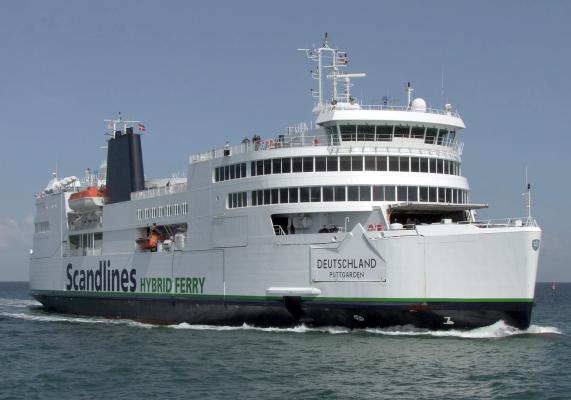
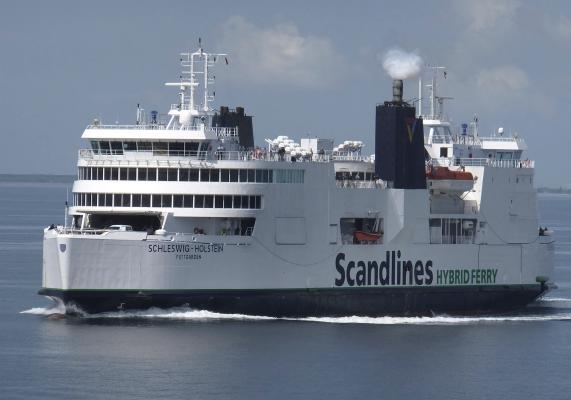
Scandlines Routes
Routes to Denmark
Routes to Germany
Scandlines Ports
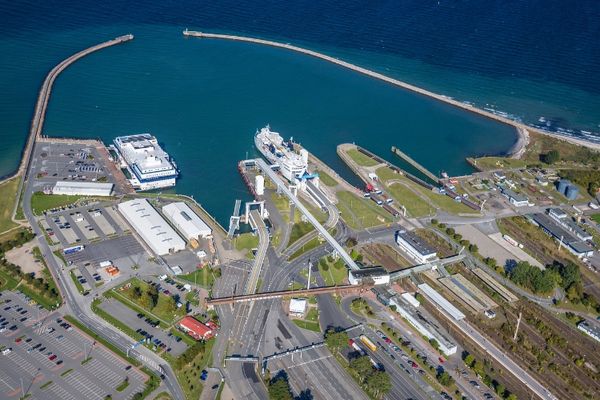
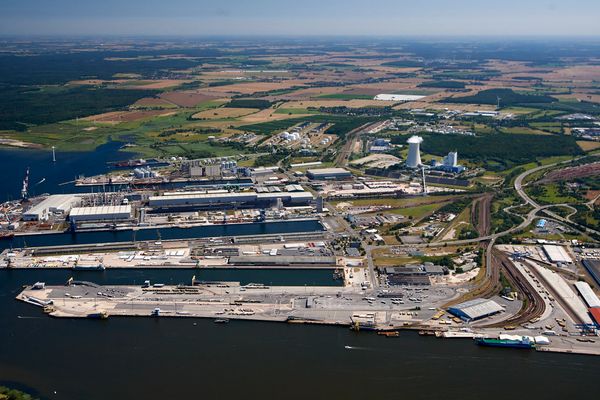
Germany
Reviews for Scandlines
Reviews for Scandlines
Excellent service, great ship
Excellent service, great ship
No luck.
No luck.
We will definitely continue traveling…
We will definitely continue traveling with you.