Oslo Ferry Port Information
The Port of Oslo, one of Norway's principal maritime hubs, serves as a vital gateway for international trade and passenger travel in Northern Europe. Strategically located at the head of the Oslofjord, it connects Norway to key global shipping routes and offers seamless access to the heart of Scandinavia. The port features state-of-the-art cargo facilities, a vibrant cruise terminal, and a wide range of maritime services, catering to diverse industries and travellers alike.
With a history deeply tied to Norway’s seafaring legacy, the Port of Oslo blends tradition with modern infrastructure, supporting the region’s economy and tourism. As a dynamic link between Norway and the world, the port plays an essential role in connecting people and goods while showcasing the country's commitment to innovation and sustainability in maritime operations.
Oslo in Pictures

Popular Ferry Companies for Oslo


Departure Board for Oslo
Saturday, 11 April 2026
Latest Ticket Prices for Oslo
Latest Ticket Prices for Oslo


Frequently Asked Questions About Oslo
Frequently Asked Questions About Oslo
These are the most commonly asked questions. Can't find what you're looking for? No worries, get in touch and we'll be more than happy to assist with your enquiry.
What are the check-in times for DFDS ferries from Oslo to Copenhagen and Copenhagen to Oslo?
What are the check-in times for Color Line ferries from Oslo?
What are the check-in times for DFDS ferries from Frederikshavn to Oslo?
What are the check-in times for DFDS ferries from Oslo to Frederikshavn?
Port Terminals For Oslo

Vippetangen Passenger Terminal
Foot passengers: Proceed to check-in by the passenger terminal. Vehicles: The terminal features well-organised vehicle lanes for quick and easy embarkation.
Modes of Transport: Foot passenger, Standard Car, Van (passenger), Motorcycle, Bicycle
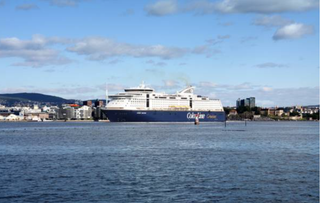
Filipstadveien Passenger Terminal
Foot passengers: Proceed to check-in by the passenger terminal. Vehicles: The terminal features well-organised vehicle lanes for quick and easy embarkation.
Modes of Transport: Foot passenger, Bicycle, Motorcycle, Standard Car, Van (passenger)
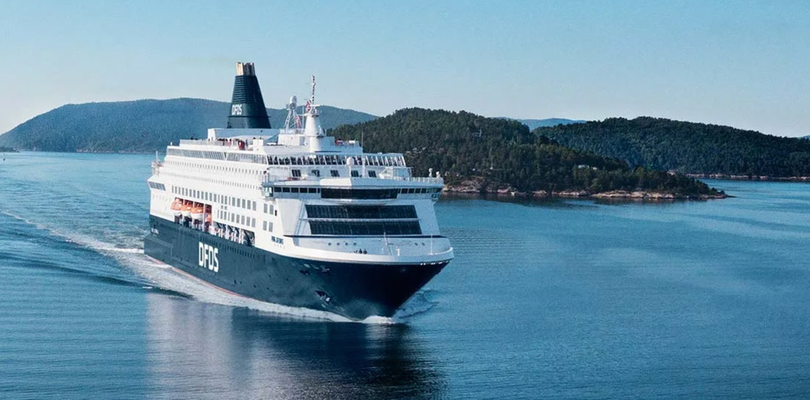
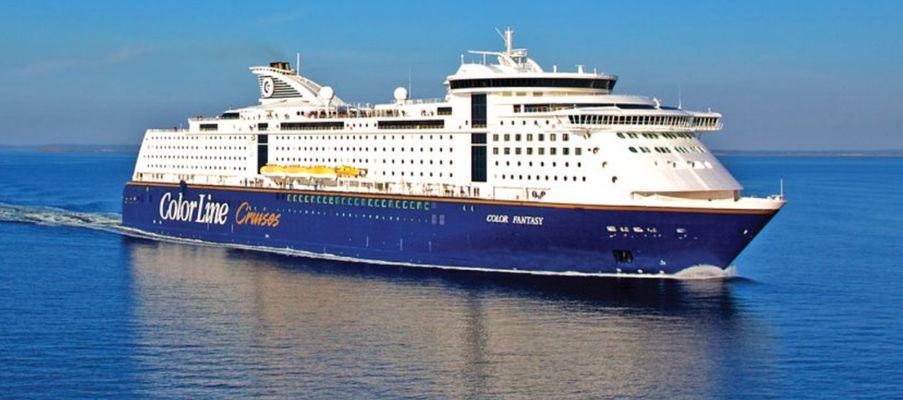
Oslo Ships

Reviews for Oslo
Reviews for Oslo
Very friendly Service.
Very friendly Service.
Absolutely fantastic. We were traveling…
Absolutely fantastic. We were traveling with our two daughters, aged 18 and 16, and we had a wonderful time. The only downside was the noise in the corridors quite late into the evening (children running and shouting).